Security is never one-size-fits-all. While both residential and commercial alarm systems are designed to deter intruders, relying on a home setup to protect your business is a high-risk gamble.
Commercial spaces have complex layouts, multiple access levels and strict regulatory standards. If you cut corners with a residential system, you risk costly security gaps, operational headaches and denied insurance claims.
Here is what sets commercial alarm systems apart and how to ensure your business gets the right protection.
What is a Commercial Alarm System?
A commercial alarm system is a network of electronic security and safety devices designed to protect a business’s employees, property, inventory, equipment and data.
Unlike a simple home setup, it isn’t just a motion sensor on the wall, it’s a fully integrated security ecosystem built to safeguard your bottom line, ensure operational continuity and meet strict industry compliance standards.
Key Features of a Commercial Alarm System Setup:
- Centralised Control: Manage multiple security zones across a large property from a single panel.
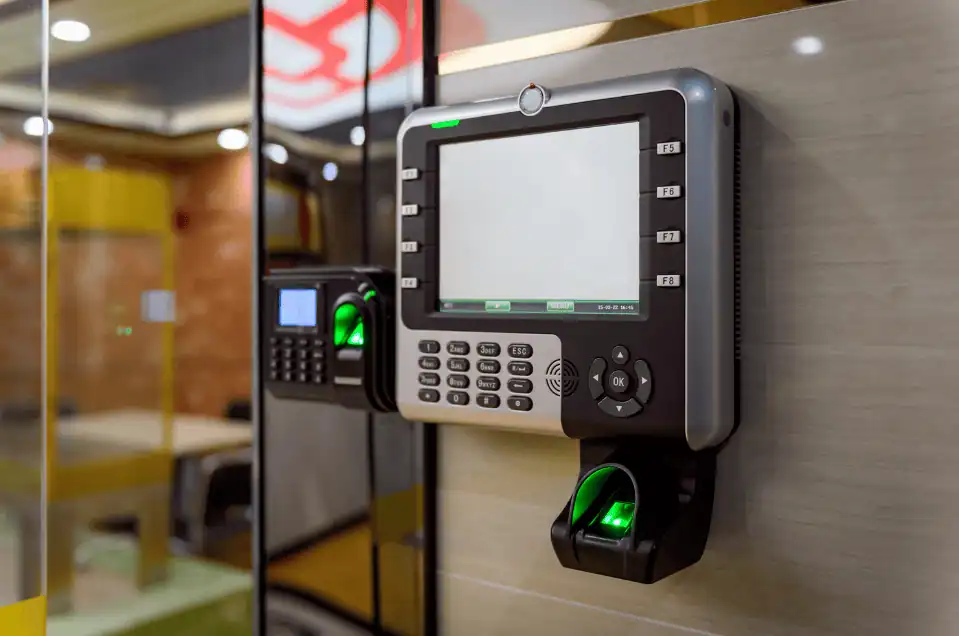
- Credentialed Access Control: Ditch physical keys for trackable keycards or mobile credentials.
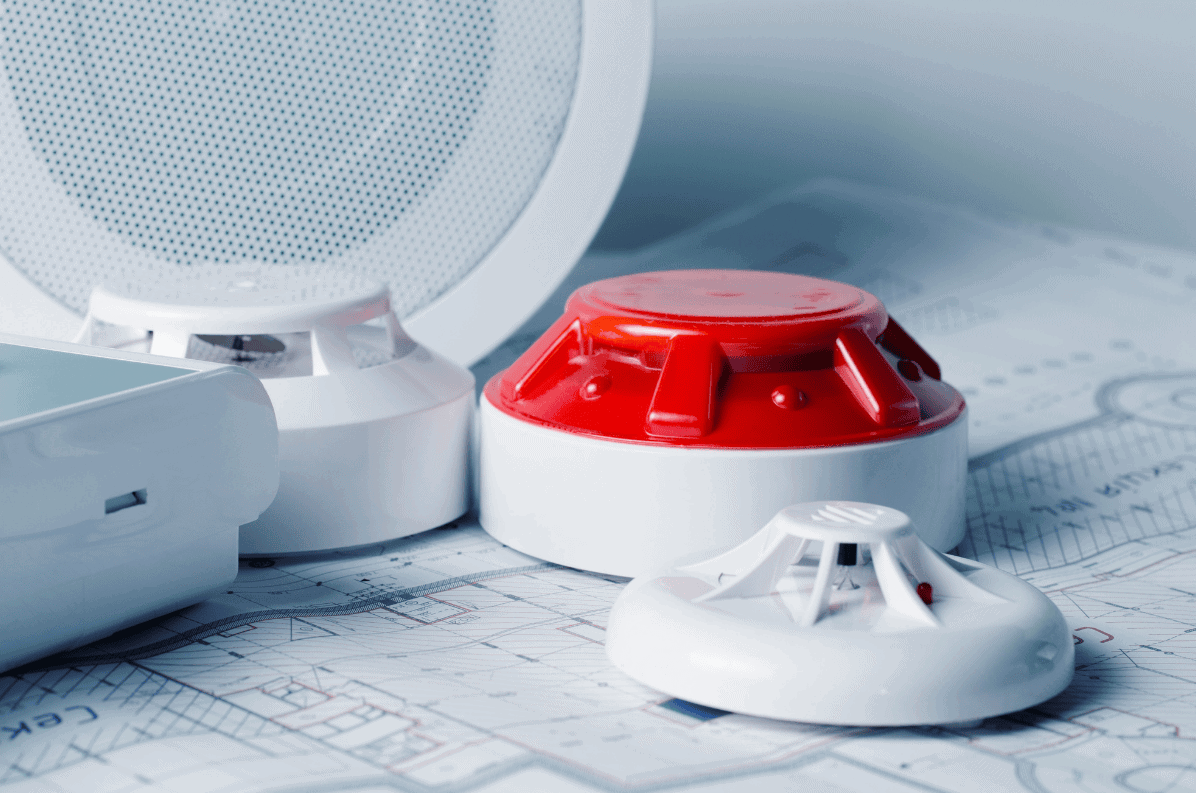
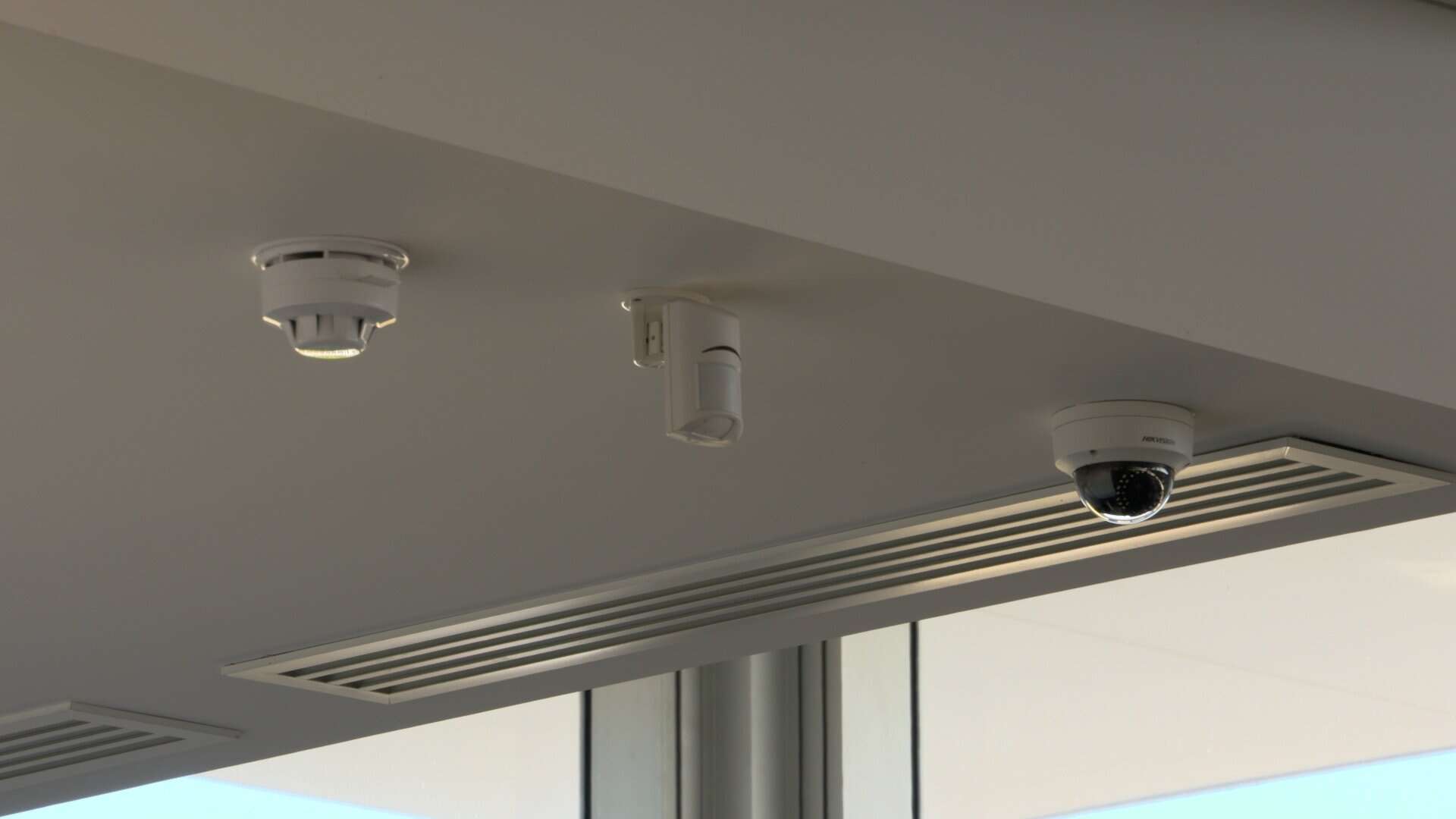
- Unified System Integration: Connect intrusion detection directly with CCTV surveillance, fire and access systems.
- Dual-Path 24/7 Monitoring: Backed by cellular and IP redundancy so signal transmission never fails during power or internet outages.
4 Key Differences Between Commercial and Residential Systems
While both types of systems aim to prevent unauthorised entry, the way they are built, managed and monitored could not be more different. Here are the four primary areas where commercial systems stand apart:
System Scale & Physical Footprint
- Residential: Designed for smaller square footage with a few primary entry points. They rely on basic zones to cover a single residence.
- Commercial: Built for large properties, multi-story facilities or multi-building campuses. Commercial systems support zone partitioning, allowing areas like a warehouse, office and customer retail space to be armed, disarmed and monitored independently.
Access Control & User Management
- Residential: Typically uses a central keypad with a single master code shared among household members.
- Commercial: Replaces shared PINs with sophisticated access control (keycards, fobs, mobile apps or biometric scanners). This allows business owners to assign unique permissions, track employee movements and instantly revoke access for former staff without changing physical locks or codes.
Monitoring & Emergency Response
- Residential: Often uses self-monitoring via a smartphone app or standard central monitoring that calls the homeowner first before contacting authorities.
- Commercial: Features high-priority, 24/7 professional monitoring backed by dual-path redundancy (cellular + IP). This ensures critical alarm signals reach emergency services immediately, even if internet lines are cut or power goes out.
System Integration
- Residential: Usually operates as a standalone unit, occasionally linking with a smart lock or doorbell camera through a home automation app.
- Commercial: Serves as the central hub of a unified security infrastructure. Commercial alarm systems seamlessly integrate with high-definition CCTV video surveillance, automated access control, fire detection systems and building management software, giving you complete visibility and control over your entire property from a single interface.
Which One Does Your Business Need?
Choosing between a commercial and residential system comes down to your physical footprint, operational complexity and the specific security risks associated with your industry.
For the vast majority of businesses, a commercial alarm system is an operational necessity. You must have an enterprise-grade setup if you manage multiple employees, operate across a large or multi-zone facility or store high-value stock and confidential data. Furthermore, most commercial insurance providers strictly require certified, 24/7 professionally monitored systems with redundancy to maintain valid coverage and comply with industry regulations.
While rare for established companies, a basic residential-grade system might only suffice if you operate a micro-business, home office or small kiosk with no outside staff and minimal physical inventory. Unless your business carries virtually zero risk, cutting corners with a home setup leaves major security gaps that can cost you far more in the long run.
Protect Your Business with the Right Security System Today
Don’t risk your business with a security setup built for a living room. Investing in a commercial alarm system gives you complete visibility, seamless access control and 24/7 peace of mind tailored to your operational needs.
At Tecsec, we design, install and service custom commercial alarm systems engineered to keep your business safe and compliant. Contact our team today for a free on-site security assessment and quote.